

Plumbing problems are among the most common maintenance issues in Australian homes. A dripping tap, slow drain or unreliable hot water system may seem like a minor inconvenience at first, yet some problems can point to faults hidden behind walls, beneath floors or underground.
Adelaide homeowners deal with a wide range of plumbing issues, from blocked drains and leaking fixtures to burst pipes and tree root intrusion. Some problems are easy to spot, while others develop gradually until they start affecting the way your home operates. Knowing the warning signs can help you decide when it is time to call a professional plumber in Adelaide.
1. Blocked drains
Blocked drains can quickly become one of the most disruptive plumbing problems in a home. A slow kitchen sink, backed-up shower or overflowing outdoor drain can make everyday tasks difficult and may indicate an obstruction somewhere within the drainage system.
Common causes include hair, soap residue, food scraps, cooking grease, foreign objects and general debris. Outdoor drains can also become affected by leaves, soil and tree roots.
Watch for signs such as:
- Water draining more slowly than usual
- Gurgling sounds from sinks or drains
- Unpleasant smells
- Water backing up
- Repeated blockages in the same drain
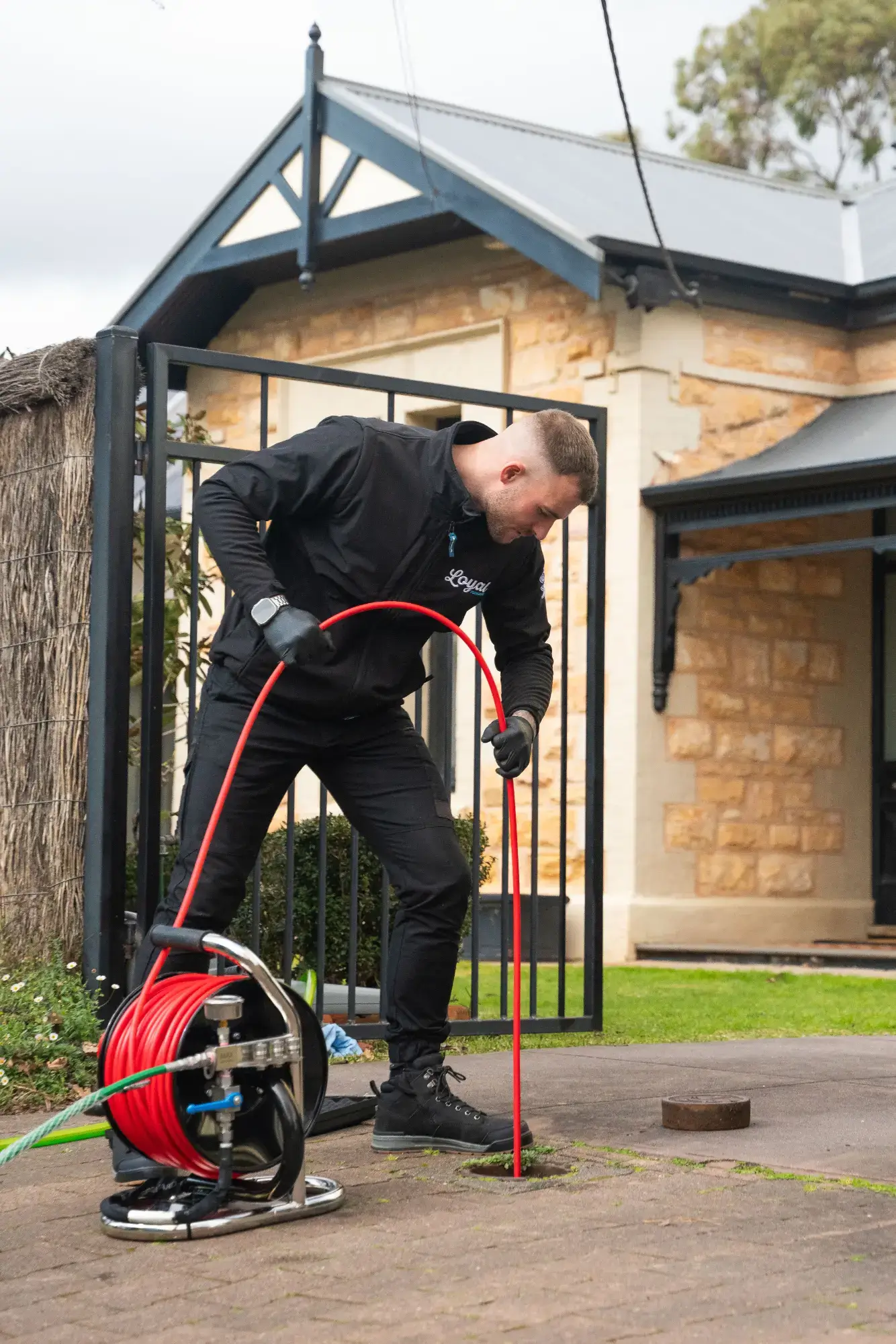
A blockage that keeps returning may need more investigation than a basic drain clearing. CCTV drain inspections and high-pressure water jetting can help identify and address more complicated drainage issues, depending on the condition of the pipe.
2. Leaking taps and fixtures
A dripping tap may not seem particularly serious, but leaving a persistent leak unattended can become frustrating and waste water over time.
Worn washers, damaged seals, faulty cartridges and ageing components can all cause taps to drip. Leaks can also develop around shower heads, mixers and other plumbing fixtures.
Look for:
- Persistent dripping after the tap is turned off
- Water pooling around the fixture
- Dampness underneath sinks
- Corrosion around fittings
- Changes in normal water flow
Some tap problems involve a small replaceable component, while an older or damaged fixture may need more extensive attention. Getting the issue assessed can help determine what is causing the leak rather than simply dealing with the visible water.
3. Hidden water leaks
Not every plumbing leak announces itself with a puddle on the floor. Some develop inside walls, beneath floors or underground, making them considerably harder to identify.
A hidden leak may be worth investigating if you notice:
- An unexplained increase in water usage
- Damp patches on walls or ceilings
- Mould or mildew
- Musty smells
- Unusual water pooling
- A noticeable change in water pressure
Leaks inside walls can potentially affect surrounding building materials if they continue unnoticed. Underground leaks can also be difficult to locate without suitable diagnostic equipment.
Modern leak detection methods can help plumbers narrow down the location of a suspected leak without relying solely on visible signs. If something seems unusual with your water usage or plumbing, local Adelaide plumbing services can assess the system and help identify the likely source.
4. Low water pressure
Low water pressure can make showers less enjoyable and taps noticeably slower. It can also affect appliances that rely on a steady water supply.
The cause is not always immediately obvious. A partially blocked aerator or shower head may affect one fixture, while low pressure throughout the house could point towards a different issue.
Possible causes include:
- Blocked fixtures
- Internal pipe restrictions
- Leaking pipes
- Faulty pressure regulating equipment
- Problems affecting the incoming water supply
Pay attention to whether the pressure problem affects one tap, a particular part of the house or the entire property. Noting when the problem occurs can also provide useful information during a plumbing assessment.
A sudden change in water pressure deserves particular attention, especially if it occurs alongside unusual sounds, damp areas or other signs of a plumbing fault.
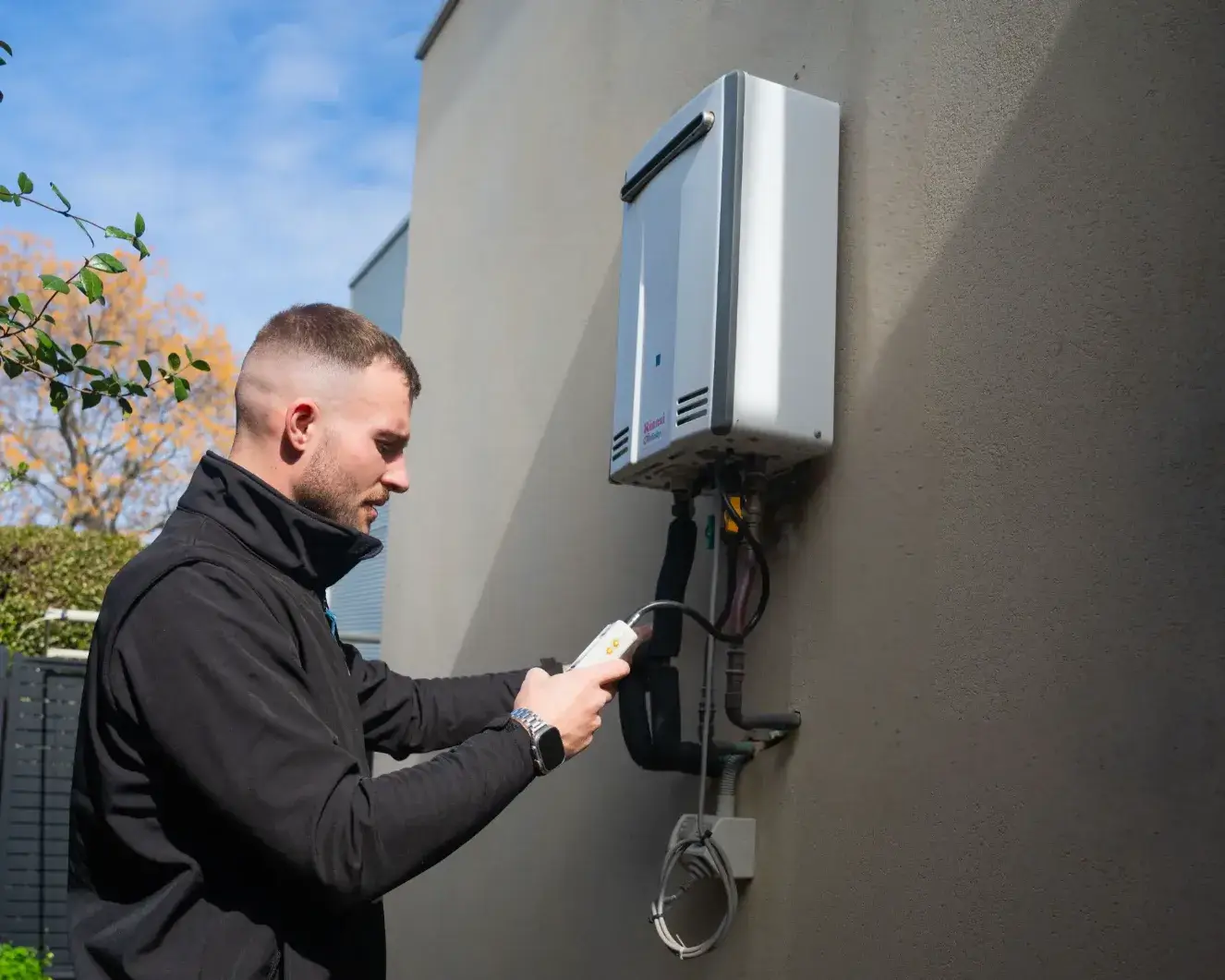
5. Hot water system problems
Few household inconveniences are more noticeable than turning on the shower and discovering that the hot water has disappeared.
Hot water problems can affect electric, gas, solar and heat pump systems, and the cause can vary considerably between different installations.
Common warning signs include:
- Water failing to heat properly
- Hot water running out sooner than expected
- Inconsistent temperatures
- Unusual noises from the system
- Water leaking around the unit
- Changes in normal operation
The age and type of hot water system can influence the likely cause. A faulty component may need repair, while an older system may require a more detailed assessment.
Gas and electrical components can also require specific expertise. If your hot water system is leaking, producing unusual sounds or failing to work as expected, professional plumbing services in Adelaide can help identify the problem and discuss suitable options.
6. Burst or damaged pipes
A burst pipe can cause a significant amount of water to enter a property in a relatively short period. It can happen inside a wall, beneath a floor or along an underground section of plumbing.
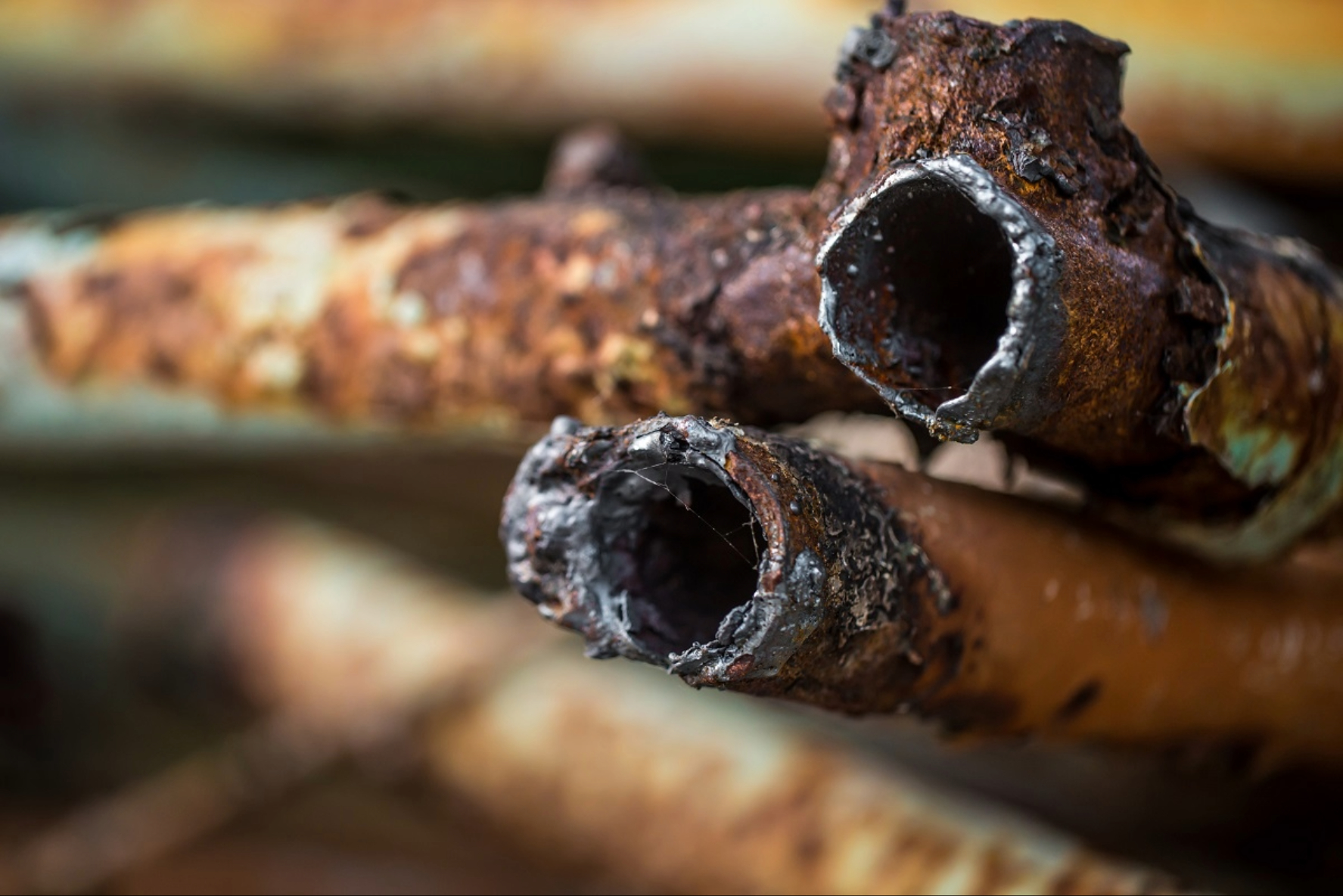
Pipe damage can develop for several reasons, including corrosion, ageing materials, physical damage, pressure issues and movement around underground pipework.
Warning signs can include:
- Sudden water pooling
- Wet patches appearing without an obvious source
- Water stains on walls or ceilings
- A sudden reduction in water pressure
- Sounds of running water when taps are not being used
- Unexpectedly wet areas in the garden
If you suspect a burst pipe, knowing where the property’s main water shut off valve is located can be useful. Turning off the water supply may help limit ongoing water flow while professional assistance is arranged.
The source of a leak is not always where the water appears, so further investigation may be needed before the appropriate repair can be determined.
7. Tree roots in underground pipes
Adelaide’s established gardens and mature trees can contribute to drainage problems when roots find their way into damaged underground pipes.
Roots naturally seek moisture. If a pipe has cracks, gaps, or damaged joints, roots can enter the opening and continue growing inside the drainage system. As they develop, they may restrict water flow and contribute to recurring blockages.
Signs of possible root intrusion include:
- Repeated drain blockages
- Slow drainage
- Gurgling sounds
- Overflowing outdoor drains
- Problems returning soon after a drain has been cleared
High-pressure water jetting can sometimes remove root growth, while a CCTV inspection can help determine the extent of the problem.
If the pipe itself has deteriorated, simply removing the roots may not address the underlying issue. Depending on the condition and location of the pipe, repair, replacement or pipe relining may be considered. Experienced Adelaide plumbers can assess the drainage system and explain the available options.
8. Running toilets
A toilet that continues running after flushing is easy to overlook, particularly when the sound is faint. Yet constant water movement can indicate a faulty component inside the cistern.
Common causes include:
- Worn flush valves
- Faulty inlet valves
- Damaged seals
- Incorrectly adjusted components
- Ageing internal parts
Sometimes the toilet will run continuously. In other cases, it may refill periodically even when nobody has used it recently.
Look out for unexplained water movement, unusual sounds or changes in water usage. A persistent running toilet may need a replacement component rather than a complete toilet replacement.
Addressing a small fault can also help prevent the problem from becoming a recurring annoyance. If you are unsure what is causing the toilet to run, a plumber can inspect the cistern and identify the faulty component.
9. Sewer smells and unpleasant odours
Nobody wants their home to smell like a drain, and unpleasant plumbing odours are worth investigating rather than simply covering them with air freshener.
Sewer or drain smells can have several possible causes, including partially blocked drains, dry traps, waste buildup, ventilation issues or problems within the sewer line.
Consider where the smell occurs and when you notice it. An odour coming from one bathroom may have a different cause from a smell affecting several areas of the house.
Potential signs of a drainage issue include:
- Persistent sewer smells
- Gurgling drains
- Slow drainage
- Water backing up
- Unusual smells after using plumbing fixtures
A professional assessment can help identify whether the odour originates from a fixture, drainage pipe or another part of the plumbing system. An Adelaide plumber can also check for related signs that may help narrow down the cause.
10. Ageing or deteriorating plumbing
Older homes can have plumbing systems that have experienced decades of use. Pipes, fittings, valves and fixtures can deteriorate gradually, making individual problems appear unrelated when they may share a common cause.
Signs of ageing plumbing can include:
- Recurring leaks
- Frequent blocked drains
- Corroded fittings
- Reduced water flow
- Discoloured water
- Repeated repairs to the same plumbing system
One isolated problem does not necessarily mean the entire plumbing system needs replacing. However, several recurring issues may justify a broader inspection.
Understanding the condition of older pipework can help homeowners plan maintenance and make informed decisions when repairs become necessary.
Know the signs before plumbing problems escalate
Blocked drains, leaking taps, hidden leaks, low water pressure, hot water faults and damaged pipes can all affect an Adelaide home. The cause and appropriate repair can vary considerably, even when two problems look similar on the surface.
Recurring issues deserve particular attention. Clearing a blockage or replacing a leaking fitting may solve the immediate problem, but repeated faults can sometimes indicate an underlying issue with the plumbing system.
Prompt assessment can give homeowners a clearer understanding of what is happening and what repair options may be available.
If you need assistance with blocked drains, leaks, hot water problems or other plumbing issues, contact Loyal Plumbing for reliable plumbing services across Adelaide.