

A blocked drain rarely chooses a convenient time to cause trouble. One minute, your shower is draining normally. The next, water starts pooling around your feet. A kitchen sink can become just as frustrating when dirty water takes ages to disappear or starts backing up into the basin.
Blocked drains are common household plumbing problems, but the cause is not always obvious. Some blockages develop from everyday habits, while others can result from damaged underground pipes or tree roots growing into the drainage system.
Understanding the likely causes can help you spot problems sooner and know when to call a professional plumber.
1. Tree roots growing into pipes
Trees add plenty of character to Adelaide properties, but their roots can create serious problems underground. Tree roots naturally search for moisture, which can lead them towards small cracks, gaps or weak points in drainage pipes.
Once a root finds an opening, it can enter the pipe and continue growing. The roots can then trap toilet paper, grease, dirt and other waste moving through the drainage system. Over time, the obstruction becomes larger and restricts the flow of wastewater.
You may notice slow drains, gurgling sounds or recurring blockages when tree roots affect your pipes. Problems may also occur across several drains rather than just one fixture.
Chemical drain cleaners rarely solve this type of blockage because the roots remain inside the pipe. A plumber can inspect the drainage system and determine if tree root intrusion is contributing to the problem.
2. Grease, oil and food waste
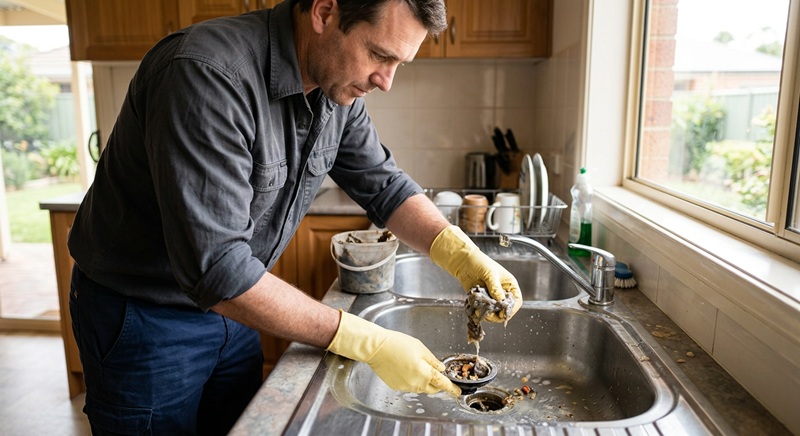
Kitchen sinks deal with a surprising amount of waste. Small food particles can enter the drain during washing up, while fats and oils can stick to the inside of pipes.
Grease may start as a liquid when it goes down the sink, but it can solidify further along the pipe. Other food particles can then stick to the residue and gradually create a thicker obstruction.
The result is often a kitchen sink that drains slowly before eventually becoming completely blocked.
Avoid pouring cooking oil, fat or grease down the sink. Allow these materials to cool and dispose of them in the appropriate household waste. Scraping plates into the bin before washing them can also reduce the amount of food entering your plumbing.
A sink strainer can catch larger particles before they disappear down the drain. It will not prevent every blockage, but it can make a noticeable difference to everyday drain maintenance.
3. Hair and soap buildup
Bathroom drains face their own set of challenges. Hair is one of the most common materials to collect inside shower and bathroom drains. Soap residue can make the problem worse by sticking to the hair and creating a thick mass.
You may initially notice that water takes slightly longer to disappear after a shower. That small delay can become more obvious as the obstruction grows.
Regularly removing visible hair from the drain cover can help. A drain guard can also catch loose hair before it reaches the pipe.
Avoid relying on strong chemical products every time a shower drain slows down. These products may provide temporary relief in some situations, but they do not necessarily remove the material causing the obstruction. Recurring problems deserve a closer inspection.
4. Ageing, cracked or damaged pipes
Sometimes your household habits have nothing to do with a blocked drain. The pipe itself may have developed a problem.
Older drainage systems can deteriorate over time. Pipes may crack, shift, corrode or become damaged. A damaged internal surface can create areas where waste catches and gradually restricts the opening.
Underground pipes can also move due to changes in soil conditions or pressure from surrounding ground. Even a small change in alignment can affect how wastewater moves through the system.
A blockage that keeps returning in the same location could point to a damaged section of pipe rather than a simple build-up of household waste.
Professional plumbers can use suitable inspection equipment to examine drainage pipes and identify problems that are difficult to see from the surface. Finding the underlying fault can help prevent you from repeatedly paying for temporary blockage removal.
5. Poor drainage or plumbing problems
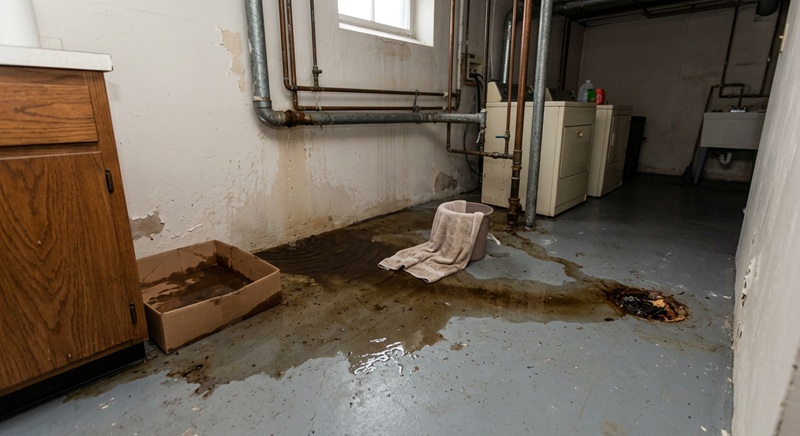
A recurring blockage can sometimes indicate a larger issue within the drainage system.
Pipes need suitable alignment and fall so wastewater can move effectively. Problems with installation, pipe movement or drainage design can interfere with this flow. Waste may sit inside the pipe instead of moving away from the property, increasing the chance of repeated blockages.
You may also notice several drains experiencing problems at around the same time. For example, the shower, toilet and laundry drain may all start draining slowly. That pattern can suggest an issue further along the drainage system rather than a blockage at one individual fixture.
A professional assessment can help establish where the problem occurs and what may be causing it.
What are the warning signs of a blocked drain?
A blocked drain does not always stop working completely. In many cases, your plumbing gives you warning signs first.
Look out for:
- Water draining more slowly than usual
- Gurgling sounds from sinks, showers, or toilets
- Unpleasant smells coming from drains
- Water backing up into a sink or shower
- Toilets taking longer to clear
- Several fixtures draining slowly at once
- Blockages that keep returning after treatment
These signs are worth taking seriously. Ignoring a slow drain can allow the obstruction to become larger and more difficult to remove.
A recurring problem deserves particular attention. Clearing the blockage may restore normal drainage temporarily, but the same issue can return if something deeper is causing it.
How can you prevent blocked drains?
Good drain habits can reduce the chance of everyday blockages.
Keep food scraps, coffee grounds, cooking oil and grease out of kitchen drains. Use strainers in sinks and shower drains to catch solid waste before it enters the pipework. Remove accumulated hair from bathroom drain covers regularly.
It also helps to pay attention to changes in drainage performance. A sink that takes several minutes to empty is giving you useful information. So is a toilet that starts gurgling or a shower that leaves standing water around your feet.
Do not ignore these changes simply because the water eventually disappears. Early attention can make it easier to identify the cause before the problem becomes more disruptive.
Homes surrounded by mature trees may also benefit from professional drainage inspections, particularly when blockages occur repeatedly.
When should you call a plumber for a blocked drain?
A single slow drain may respond to simple maintenance, but repeated or severe blockages can require professional attention.
Contact a plumber if the blockage keeps returning, multiple fixtures are affected, wastewater backs up into your home, or you notice sewage smells. Professional assistance can identify whether the problem comes from household waste, tree roots, damaged pipes, or another drainage fault.
Trying to force a stubborn obstruction through the pipe can sometimes make matters worse. The right solution depends on what is actually causing the blockage.
Get help with blocked drains in Adelaide
Blocked drains can start with something as simple as hair or food waste, but recurring problems may point to an issue deeper within your plumbing system. Tree roots, grease, damaged pipes and drainage faults can all interfere with normal wastewater flow.
Loyal Plumbing provides professional plumbing services for Adelaide homeowners dealing with blocked and troublesome drains. If your drains keep slowing down or the same blockage continues to return, getting the cause checked can help you find a more suitable long-term solution.