

A damaged underground pipe can turn into an expensive problem, particularly when it sits beneath a driveway, paved area, established garden or part of the home. The good news is that digging up the entire pipe is not always the only repair option.
In Adelaide, pipe relining typically costs between $450 and $650 per linear metre for standard residential drainage lines. Total project costs can range from around $2,700 to $15,000, depending on the length of the pipe, the extent of the damage and the work needed before the liner can be installed. A typical residential job may cost around $3,200.
Pipe relining can also be worth considering when excavation would mean cutting through concrete, removing paving or rebuilding landscaping afterwards. The final price, however, depends on far more than the number of metres involved.
How much does pipe relining cost in Adelaide?
The pipe relining cost in Adelaide usually falls between $450 and $650 per linear metre for a standard residential drainage pipe. This provides a useful starting point, but it does not tell the whole story.
A smaller repair may cost less overall than relining an entire sewer line, yet the price per metre can actually be higher. Specialised equipment still needs to be transported, prepared and operated, regardless of whether the damaged section measures one metre or ten.
For most homes, a pipe relining project may fall into one of these general ranges:
- Small or localised repairs from around $850
- Short residential relining from around $1,800
- Standard residential relining from around $2,700
- Larger sewer line projects from $8,000 or more
The exact price can change depending on access, pipe diameter, tree roots, bends, junctions, and the structural condition of the existing pipe.
A professional inspection is usually the best way to establish the scope of the repair. A quote based only on a description of a blockage may not account for hidden cracks, displaced joints or sections affected by tree roots.

Pipe relining cost breakdown by repair type
The cost of pipe relining Adelaide homeowners may encounter depends heavily on the type of repair required. A small damaged section is a very different job from relining a long sewer line running beneath a property.
| Repair type | What it may involve | Typical Adelaide cost |
| CCTV drain inspection | Camera inspection to locate and assess damage | $150 to $275 |
| Root clearing or hydrojetting | Removing roots, debris or buildup before repair | $280 to $850 |
| Pipe patching | Repairing one or two localised damaged sections | $850 to $2,500 |
| Short residential reline | Relining around 4 to 6 metres | $1,800 to $3,900 |
| Standard residential reline | Relining around 6 to 12 metres | $2,700 to $7,800 |
| Long main sewer line reline | Continuous relining up to around 20 metres | $8,000 to $15,000+ |
| Junction relining | Repairing a T or Y connection | $1,500 to $4,800 per junction |
These figures should be treated as general estimates rather than fixed prices. Every drainage system has its own quirks, and underground pipes are not known for making things easy.
Some plumbing businesses may include the cost of a CCTV inspection in the overall job or credit it towards the repair if you proceed. Others may charge for the inspection separately. It is worth checking exactly what the quote includes before comparing prices.
Why short pipe relining jobs can cost more per metre
A short section of damaged pipe does not always mean a cheap repair.
Pipe relining requires specialised equipment, including resin systems, calibration tools, inversion equipment and, in some cases, robotic cutters. Many plumbing specialists also charge a base setup fee to prepare the equipment and carry out the work.
These setup costs can range from approximately $2,000 to $2,600.
As a result, relining a one-metre section may cost considerably more per metre than relining ten metres of continuous pipe. The equipment and preparation requirements remain relatively similar, while the total cost is spread across a shorter length.
This is why comparing pipe relining prices purely on a per-metre basis can sometimes be misleading. Looking at the full scope of the work provides a clearer picture.
What affects the cost of pipe relining?
Several factors can influence the final cost of a pipe relining project. Two homes with similar pipe lengths can receive very different quotes if the access, damage, or preparation requirements are not the same.
1. Access to the damaged pipe
Access can have a major impact on labour and equipment requirements.
A damaged pipe running beneath an open lawn may be relatively straightforward to access through an existing inspection point. A pipe located under a concrete driveway, house slab or heavily built area can present more challenges.
One of the advantages of trenchless pipe repair is that it may reduce the need for large-scale excavation. Some properties, however, may still require additional access points or localised excavation, particularly if part of the pipe has collapsed.
2. Pipe diameter, bends and junctions
Standard 100 mm residential drainage pipes are generally simpler to assess and line than larger or unusually shaped pipes.
Larger pipes may require more lining material. Multiple bends can also add complexity to the installation. Junctions and intersections may require specialised techniques to create a suitable connection without restricting the flow through the drainage system.
A long, relatively straight pipe is not always an easy job, but a shorter line with several tight bends and junctions can require more specialised work.
3. Cleaning and preparation work
The damaged pipe needs to be properly prepared before a liner is installed.
Tree roots, built-up scale, debris and other obstructions may need to be removed through hydrojetting or mechanical cutting. Heavy root growth can be particularly stubborn, especially when roots have entered through cracks or displaced joints over time.
The more preparation required, the more labour and equipment may be involved.
This is one reason a CCTV inspection is useful before any major drain pipe repair. It allows the plumber to assess the inside of the pipe and identify problems that may not be visible from above ground.
4. The condition of the existing pipe
Pipe relining generally relies on the existing pipe being suitable to support the new liner during installation.
Cracks, small gaps, deteriorated joints, and root intrusion can often be assessed as part of a relining project. A completely collapsed section may require a different approach.
In some cases, a plumber may recommend excavating and replacing the severely damaged section before relining other areas of the pipe. This additional work can increase the total cost.
The condition of the existing pipe matters just as much as its length.
Is pipe relining cheaper than digging up and replacing pipes?
Pipe relining can be 30% to 50% cheaper overall than traditional excavation and replacement in some situations. The actual saving depends on the location of the damaged pipe and the amount of restoration work required after excavation.
Traditional pipe replacement may involve:
- Excavating the affected area
- Removing concrete, paving, or landscaping
- Digging down to expose the damaged pipe
- Installing a replacement section
- Restoring the disturbed surface
Those additional steps can add significantly to the total project cost.
Pipe relining works from inside the existing pipe when the pipe is suitable for treatment. This can reduce the need to dig through driveways, gardens and paved areas.
A replacement pipe may cost less as a material, but the total job involves far more than the price of the pipe itself. Labour, excavation and restoration should all be considered when comparing repair options.
Relining is not automatically the cheaper choice in every situation. An easily accessible, badly collapsed pipe may be more practical to replace through a small excavation. The best option depends on the actual condition and location of the damage.
When is pipe relining worth considering?
Pipe relining may be worth considering when excavation would create significant disruption or when the existing pipe is damaged but still suitable for lining.
Common situations include:
- Repeated tree root blockages
- Cracked or deteriorating underground pipes
- Damaged pipes beneath concrete driveways
- Drainage lines running under established gardens
- Sewer pipes in difficult access areas
A CCTV drain inspection Adelaide homeowners arrange can help identify where the damage is located and how extensive it is. The footage may show cracks, root intrusion, displaced joints or other defects that affect the available repair options.
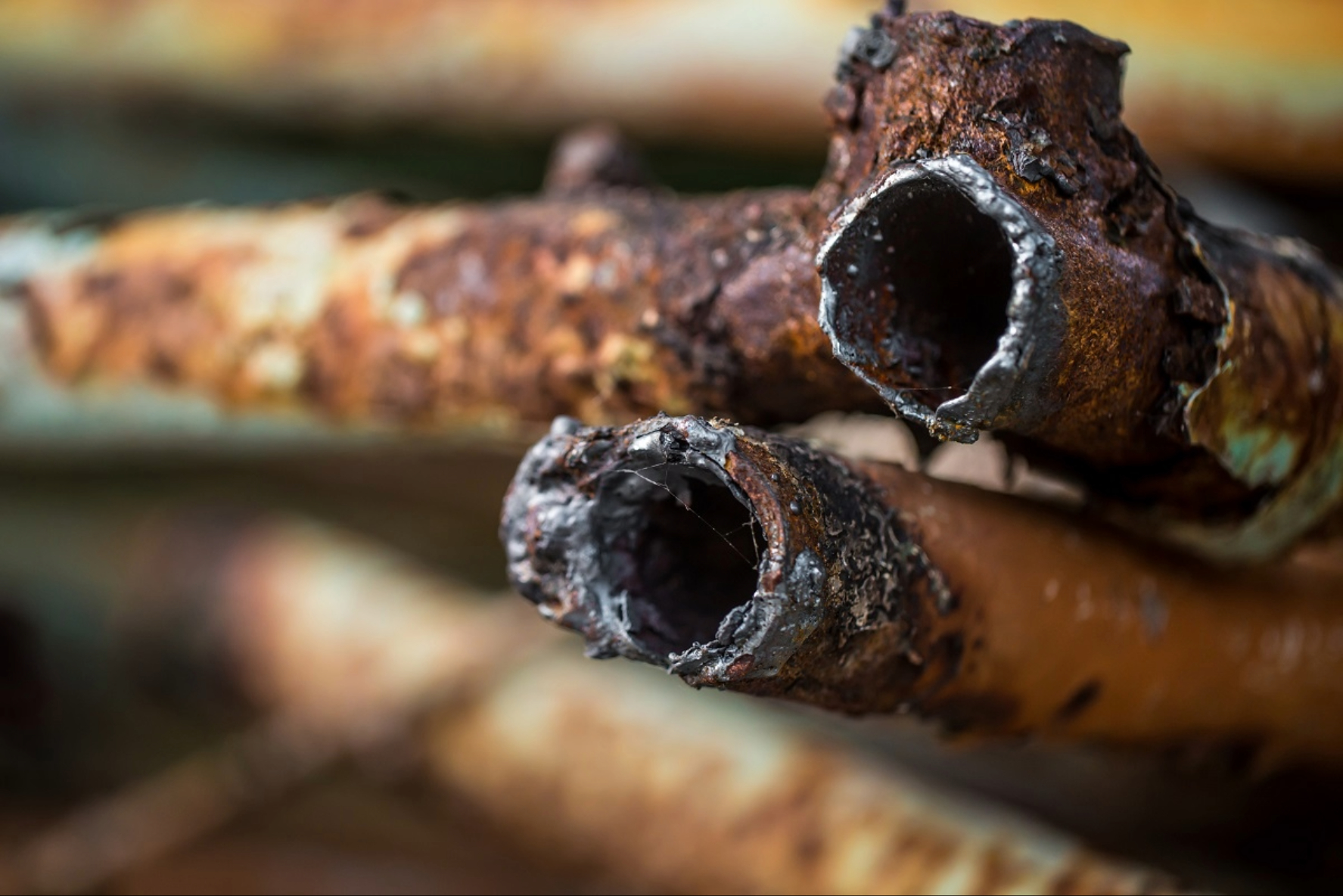
Relining is not suitable for every pipe problem. A proper inspection helps determine whether the existing pipe can support a new internal liner or whether another repair method may be more appropriate.
Pipe relining versus pipe replacement: which costs more?
The answer depends on the job.
Traditional pipe replacement may involve a lower material cost, particularly when replacing a short section of PVC pipe. Excavation can quickly change the equation when the damaged section sits under concrete, paving or other established surfaces.
Pipe relining uses specialised materials and equipment, which can increase the upfront repair price. The process may, however, reduce the need to excavate and restore large areas of the property.
When comparing options, focus on the total project cost rather than just the cost per metre.
A useful comparison should include the inspection, preparation work, excavation, pipe materials, labour and any restoration needed after the repair. The cheapest line item does not always result in the cheapest completed job.
How to get an accurate pipe relining quote
An accurate quote usually starts with understanding exactly what is happening inside the drainage system.
A detailed inspection may assess the location of the damage, the length of pipe affected, the level of root intrusion, and the condition of the surrounding sections.
Before accepting a quote, consider asking:
- What length of pipe requires relining?
- What cleaning and preparation work is included?
- What happens if tree roots or debris are discovered?
- Are junctions included in the quoted price?
- Does any section require excavation or replacement?
- What materials and installation process will be used?
Clear answers can make it easier to compare quotes based on the actual scope of work rather than a single headline price.
A smarter way to repair damaged underground pipes
Pipe relining can provide a practical alternative to large-scale excavation when the damaged pipe is suitable for treatment.The final price can depend on the length of pipe, access, preparation work, bends, junctions, and the condition of the existing drainage line.
If you are dealing with recurring blockages, tree roots or suspected underground pipe damage, a professional inspection can provide a clearer picture of the available options. Contact Loyal Plumbing to discuss our pipe relining services in Adelaide and arrange an assessment and quote for your property.