


A blocked drain can bring your household routine to a frustrating stop. Water may take longer to disappear from the sink, your shower can start pooling around your feet, or an unpleasant smell may come from a drain that usually goes unnoticed.
The good news is that many blockages develop gradually. Everyday habits have a major influence on what ends up inside your pipes, while ageing infrastructure, tree roots and damaged drainage can create problems outside your control.
A few sensible precautions can help Adelaide property owners keep their drains working properly and spot developing issues before they turn into major plumbing problems.
1. Keep unsuitable waste out of your drains
Your drains are designed to carry wastewater, not household rubbish. Putting the wrong materials down a sink or toilet can quickly create an obstruction.
Kitchen sinks are particularly vulnerable because food scraps, fats and oils can collect inside pipework. Even small amounts can stick to the pipe walls and trap other debris as wastewater passes through.
Toilets have their own limitations. Toilet paper and human waste should be the only materials you flush. Items such as wipes, sanitary products, nappies and paper towels can create blockages, even when packaging claims they are suitable for flushing.
A simple rule helps: if something does not belong in the drain, put it in the bin instead.
2. Dispose of cooking grease correctly
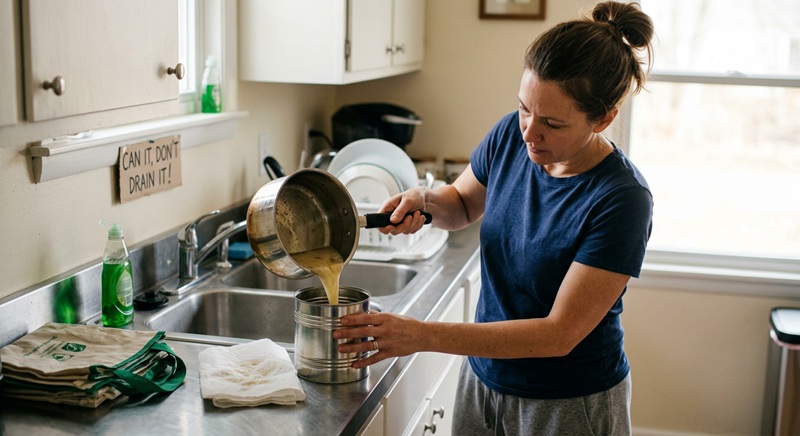
Pouring leftover oil or fat down the kitchen sink might seem harmless while it is warm and liquid. The trouble starts once it cools inside the pipe.
Grease can stick to the internal surface and gradually narrow the passage available for wastewater. Food particles can then collect against the residue, creating a blockage that becomes increasingly difficult to clear.
Let used cooking oil and fat cool before disposing of it appropriately. Wipe greasy plates and pans with a paper towel before washing them, particularly after cooking foods that leave a heavy residue.
A sink strainer can also catch food particles before they enter your plumbing.
These small changes take little effort but can help reduce the amount of material travelling through your kitchen drainage system.
3. Take care of shower and bathroom drains
Hair and soap residue are common causes of bathroom blockages. Each shower can send loose hair, body products, and other residue into the drain.
A drain cover or strainer can catch much of this material before it reaches the pipe. Empty the cover regularly instead of allowing the collected debris to wash through with the next shower.
Pay attention to drainage speed as well. If your shower starts taking longer to empty, do not wait until the water stops draining altogether.
Early attention can often make a developing problem easier to deal with. A recurring bathroom blockage may also indicate an issue further along the drainage line.
4. Watch for tree roots around your property
Trees can be a beautiful part of an Adelaide property, but their underground roots can create problems for drainage systems.
Roots naturally seek moisture and can find their way through small cracks, weak joints or damaged sections of underground pipe. Once inside, they can continue growing and catch other materials travelling through the drainage system.
Properties with mature trees deserve particular attention if drains repeatedly become blocked. You may notice several fixtures developing slow drainage, gurgling sounds or recurring backups.
Do not assume repeated blockages are simply bad luck. A professional inspection can help determine if tree roots or damaged pipework are contributing to the problem.
5. Pay attention to slow drains
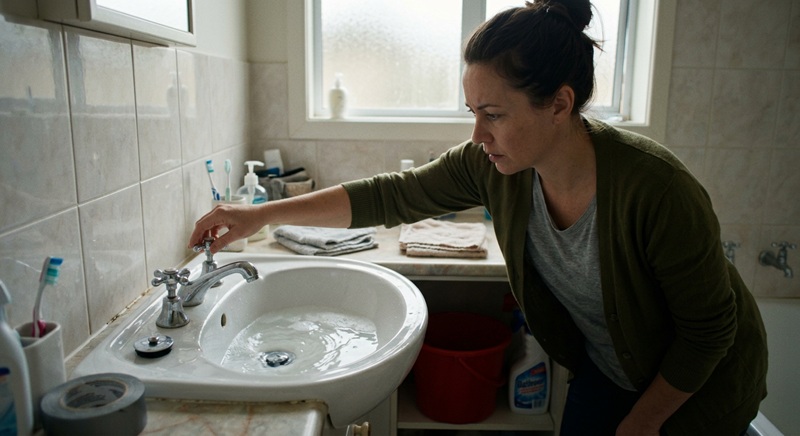
A slow drain is often the first warning that something is happening inside your plumbing.
You might notice the kitchen sink taking longer to empty, water sitting in the shower after use, or the laundry drain struggling to keep up with normal water flow.
These changes can seem minor, especially when the water eventually disappears. However, a gradual reduction in drainage speed can indicate that waste is accumulating inside the pipe.
Taking action early gives you a better opportunity to deal with the cause before the drain becomes completely blocked.
Keep an eye on multiple fixtures too. If the kitchen, bathroom and laundry drains all start behaving differently around the same time, the problem may sit further along the main drainage system.
6. Do not ignore unpleasant drain smells
An unusual smell coming from a drain deserves attention.
A persistent odour can develop when organic matter, grease or other waste becomes trapped inside the pipe. In some cases, unpleasant smells can also accompany a larger drainage problem.
Cleaning the drain surface may remove the smell temporarily, but it will not necessarily address material sitting deeper inside the pipe.
If the odour keeps returning, arrange a professional assessment. Identifying the source can help determine whether you are dealing with a simple build-up or a more significant drainage issue.
7. Consider the age of your plumbing
Older plumbing systems may need more attention than recently installed pipework. Pipes can deteriorate as they age, while cracks, corrosion, movement and damaged joints can affect drainage performance.
A damaged pipe can also make blockages more likely because rough or broken sections may catch waste as it travels through the system.
Repeated blockages in the same area can provide an important clue. Clearing the obstruction may restore normal drainage for a while, but the problem can return if the pipe itself remains damaged.
A professional inspection can help establish the condition of older drainage systems and identify areas that may require repair.
8. Arrange plumbing inspections when problems keep returning
Regular maintenance can help identify developing plumbing issues before they become disruptive.
An inspection becomes particularly useful when you experience recurring blockages, unexplained smells, slow drainage, or repeated wastewater backups. A plumber can assess the drainage system and investigate potential causes instead of simply treating the immediate symptom.
Drain inspection technology can also help locate problems inside underground pipework. This can provide useful information when tree roots, cracks or damaged sections are suspected.
The right maintenance schedule depends on the age and condition of your plumbing, the property’s surroundings and any previous drainage issues.
9. Avoid relying on harsh drain chemicals
Store-bought drain products may appear to offer an easy solution when water starts draining slowly. However, repeatedly relying on chemical treatments is not always the best approach.
A product may break down some types of material without addressing the reason the blockage keeps forming. Persistent problems can return if the underlying issue involves tree roots, damaged pipes, or a larger obstruction.
If a drain continues to block after treatment, stop treating the symptom and investigate the cause.
Professional plumbing assistance can provide a more suitable approach for stubborn or recurring blockages.
Keep your Adelaide drains flowing
Early professional attention can help identify the source before the problem becomes more disruptive. It may also save you from repeatedly paying for temporary blockage removal when the real issue sits deeper within the drainage system.
Loyal Plumbing provides professional plumbing services for Adelaide homeowners dealing with blocked and troublesome drains. If your drains keep slowing down, backing up or blocking again, do not keep treating the same symptom. Contact Loyal Plumbing today to arrange a professional inspection and find out what is causing the problem.