


A burst pipe can turn an ordinary day into a plumbing emergency in a matter of minutes. Water may pour from a wall, ceiling, cupboard or exposed pipe, quickly spreading across floors and damaging furniture, flooring and other parts of your home.
Knowing what to do first can make a real difference. You do not need to repair the pipe yourself. Your priority should be to stop the water supply, stay safe and arrange professional assistance as soon as possible.
Adelaide homes can have a mix of older and newer plumbing systems, so the cause of a burst pipe can vary considerably. Age, corrosion, excessive pressure, ground movement and damage to pipework can all contribute to plumbing failures.
What causes a pipe to burst?
Pipe failures can happen for several reasons. Some develop gradually, while others occur without much warning.
Ageing pipework can become weaker over time, particularly when corrosion or mineral deposits affect the material. Changes in ground conditions can also place stress on underground pipes. Tree roots may cause problems around buried pipework, while excessive water pressure can put additional strain on connections and joints.
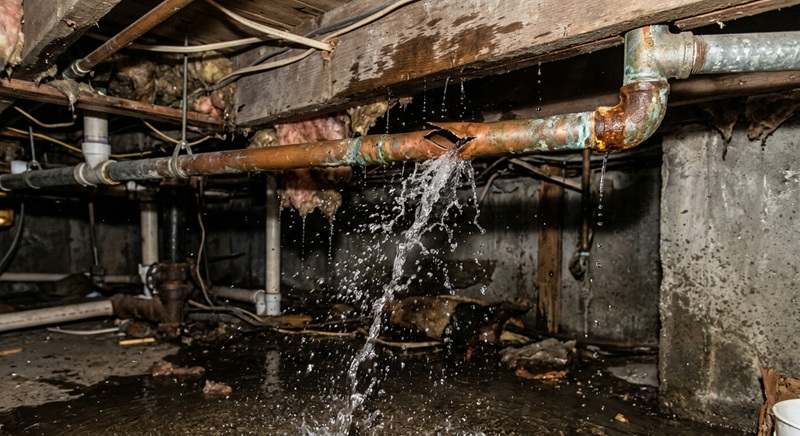
Temperature changes can also affect some plumbing materials. A small weakness may eventually become a significant crack or split.
Regular plumbing inspections can help identify deterioration before a pipe fails. Signs such as unexplained dampness, reduced water pressure, unusual sounds behind walls, or an unexpected increase in water usage deserve attention.
What should you do when a pipe bursts?
A fast response can help limit the amount of water entering your home. Follow these steps in order, but never put yourself at risk to access a valve or flooded area.
1. Shut off the main water supply
Your priority is stopping the flow of water.
Locate your property’s main water isolation valve and turn it off. The valve is often located near the water meter, although the exact position can vary between homes.
If you are unsure where the valve is, finding it before an emergency occurs is worthwhile. Every household member should know where it is and how to operate it.
Once the water supply stops, check the affected area again. You may still see water draining from the damaged pipe, but the flow should gradually reduce.
2. Stay away from electrical hazards
Water and electricity create a serious safety risk. If water has reached power points, electrical appliances, switches or other electrical equipment, keep away from the affected area.
Do not walk through standing water to reach an electrical switchboard. If you can safely isolate the power without entering a wet area, do so. Otherwise, leave the property and contact a qualified professional for assistance.
Your safety matters more than saving furniture or belongings.
3. Release remaining water from the plumbing
Once you have isolated the main supply, opening a suitable tap can help drain water that remains inside the plumbing system.
Choose a tap that you can access safely. This can reduce the amount of water sitting within the pipework while you wait for the plumber.
Do not spend time trying to dismantle fittings or remove sections of pipe yourself. A burst pipe often requires more than a simple patch, particularly when the underlying pipe has deteriorated.
4. Protect your belongings
Move furniture, rugs, electrical items and other valuables away from the affected area if you can do so safely.
Use towels, buckets or other suitable containers to collect water from accessible areas. You can also remove standing water from floors once the immediate hazard has passed.
Do not attempt to enter a heavily flooded area simply to retrieve belongings. Water can hide electrical hazards, damaged flooring, and other risks.
5. Document the damage
Take photographs of the affected areas before you carry out extensive cleaning.
Capture the damaged pipe, water-affected areas, flooring, walls, cabinetry and belongings. These records may prove useful if you need to discuss the damage with your insurer.
Keep any relevant invoices or reports from the plumber as well. Your insurer can explain exactly what evidence they require for a claim.
6. Call a professional plumber
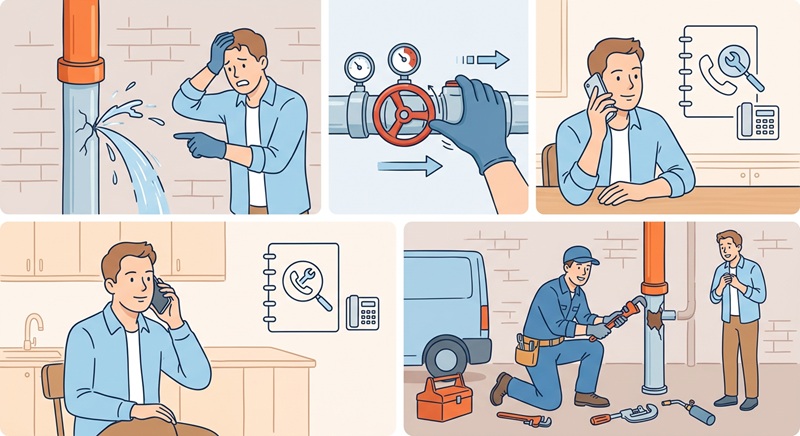
A burst pipe needs proper attention, even if you manage to stop the immediate water flow.
A professional plumber can locate the damaged section, determine why the failure occurred, and recommend an appropriate repair. Depending on the location and condition of the pipe, the plumber may need to replace a section of pipework rather than simply seal the visible break.
Prompt professional attention also helps uncover secondary problems. A pipe that has failed because of age or corrosion may indicate deterioration elsewhere in the plumbing system.
How can you tell if a pipe may be about to burst?
Some plumbing problems provide warning signs before a major failure occurs.
Keep an eye out for:
- Sudden changes in water pressure
- Damp areas around walls, ceilings or floors
- Water stains that appear without an obvious source
- Unusual sounds behind walls or under floors
- Persistent dripping from exposed pipework
- Mould or musty smells in normally dry areas
- Water bills that rise without a clear reason
- Discoloured water from taps
None of these signs automatically means a pipe will burst. They can, however, indicate a plumbing problem that deserves professional attention.
Acting when you first notice something unusual can be far easier than dealing with a flooded room later.
Can a burst pipe cause serious damage?
Yes. Water can spread quickly through flooring, plasterboard, cabinetry and other building materials. The longer the leak continues, the more opportunity water has to reach areas that are difficult to dry.
A concealed pipe can present an even greater challenge. You may not notice the leak immediately if the damaged section sits behind a wall or beneath a floor. Damp patches, staining and mould can appear after the problem has already been active for some time.
Professional leak detection can help locate concealed plumbing problems without unnecessary damage to your property.
When should you call an emergency plumber?
Call a professional plumber as soon as possible if water continues to escape after you isolate the main supply, if you cannot locate the source of the leak, or if the damaged pipe sits in a difficult-to-access area.
Urgent assistance also makes sense when water has reached walls, ceilings, flooring, or electrical equipment.
Loyal Plumbing can assess the situation, identify the source of the problem, and carry out the necessary plumbing repairs. Getting professional help early can help protect your home and prevent a temporary plumbing emergency from turning into a much larger repair job.
Get help with burst pipes in Adelaide
A burst pipe is one of those household problems nobody plans for. The best response is to stay calm, shut off the water, avoid electrical hazards, protect your belongings where it is safe, and contact a professional plumber.
Loyal Plumbing provides plumbing services across Adelaide for urgent repairs and ongoing plumbing needs. If a pipe has failed in your home, getting the right help quickly can make the situation much easier to manage.