

A plumbing emergency can turn an ordinary day into a race against the clock. A burst pipe can release a surprising amount of water, while a blocked sewer can create unpleasant conditions throughout a home. Some problems can wait for a standard appointment, but others need prompt professional attention.
Knowing the difference can help Adelaide homeowners respond appropriately when something goes wrong. Issues involving uncontrolled water, sewage, major leaks or serious loss of essential plumbing services may need urgent assessment.
The first step is to stay calm, protect people and property where possible, and contact a qualified plumber when the situation calls for immediate assistance.
What counts as a plumbing emergency?
Not every dripping tap needs an emergency callout. A plumbing emergency generally involves a problem that could cause significant property damage, create a hygiene concern, leave the household without an essential service, or become substantially worse if left unattended.
Common examples include:
- Burst water pipes
- Major plumbing leaks
- Sewer backups
- Overflowing toilets that cannot be controlled
- No water throughout the property
- Serious gas plumbing concerns
- Significant hot water system leaks
- Water escaping from concealed pipework
The circumstances matter. A small leak under a sink may be inconvenient, while a pipe flooding a room is an entirely different situation.
If you are unsure about the severity of the problem, explain the symptoms to the plumbing company. They can advise whether the issue appears to require urgent attention or can be scheduled as a routine repair.
1. A burst pipe is releasing water
A burst pipe is one of the clearest reasons to seek urgent plumbing assistance.
A damaged pipe can release a substantial amount of water into a home, particularly when it is connected to the mains supply. Water can spread into flooring, walls, cabinetry and other areas before the source is repaired.
If you discover a burst pipe, locate the property’s main water isolation valve and turn off the water supply if it is safe to do so. This may help reduce the amount of water escaping while you arrange professional assistance.
Avoid attempting a complicated pipe repair yourself. The location of the damaged section may not be obvious, particularly when the pipe sits behind a wall, beneath flooring or underground.
2. Water is flooding your home
Flooding caused by a plumbing fault can quickly become more than a nuisance.
Water escaping from a failed pipe, appliance connection, toilet or other fixture can damage floors, cabinetry and other household materials. The longer the source continues, the more water can spread.
Try to identify where the water is coming from without putting yourself at risk. Shut off the relevant water supply if you can safely access it and move valuables away from the affected area where practical.
A professional plumber can assess the source and determine what needs to be repaired.
Not every wet area indicates a plumbing emergency, however. Condensation or a small isolated leak may be less urgent than uncontrolled water entering a room.
3. Your sewer is backing up
A sewer backup is a serious plumbing problem because wastewater can enter areas of the property where it should never be.
You may notice wastewater rising through floor drains, toilets, showers or other fixtures. Multiple drains backing up at the same time can also indicate a problem within the main drainage system.
Avoid using toilets, showers, sinks and other plumbing fixtures until the cause has been assessed if wastewater is backing up.
Sewage can present hygiene concerns, so avoid direct contact with contaminated water. Keep children and pets away from affected areas and arrange professional plumbing assistance.
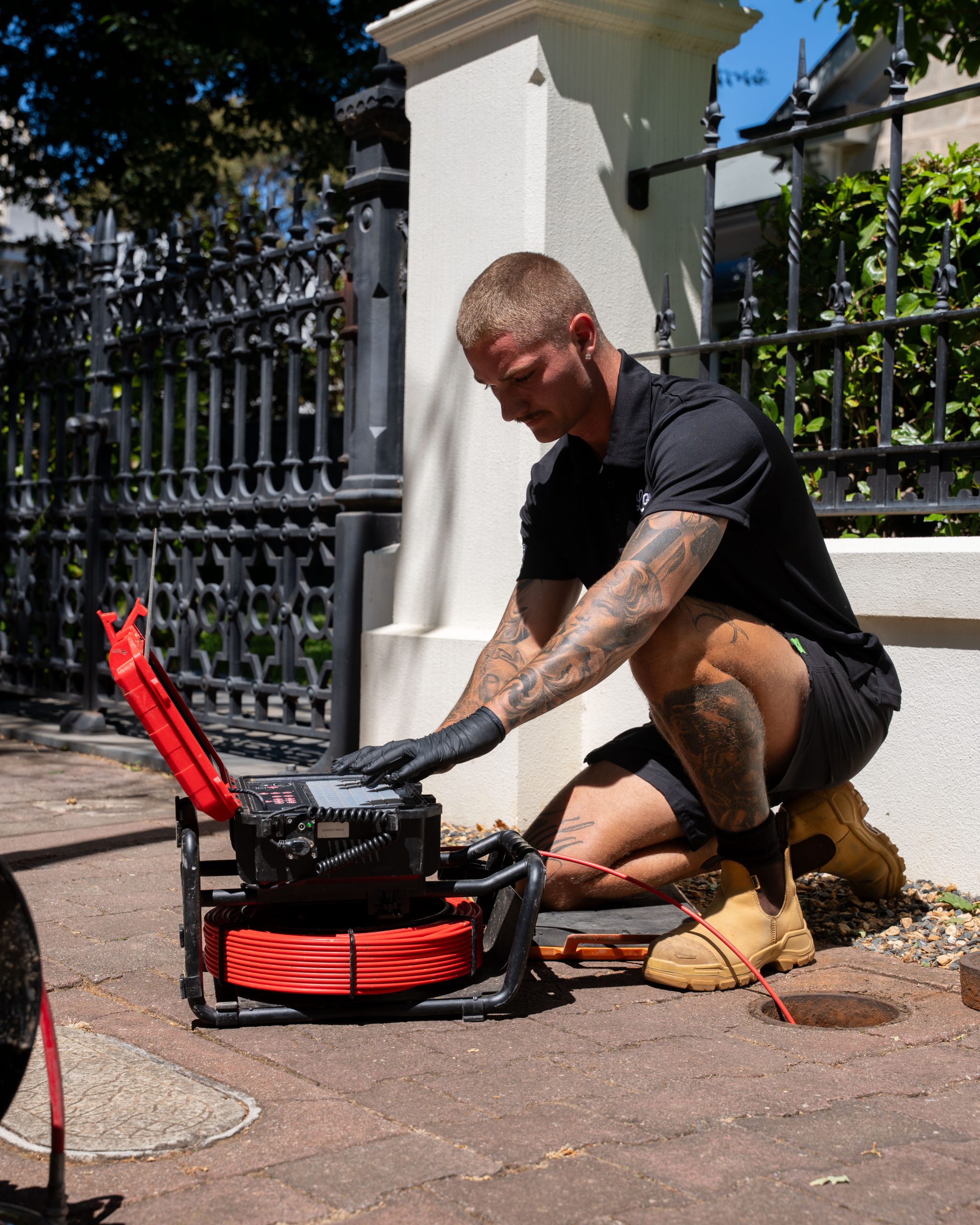
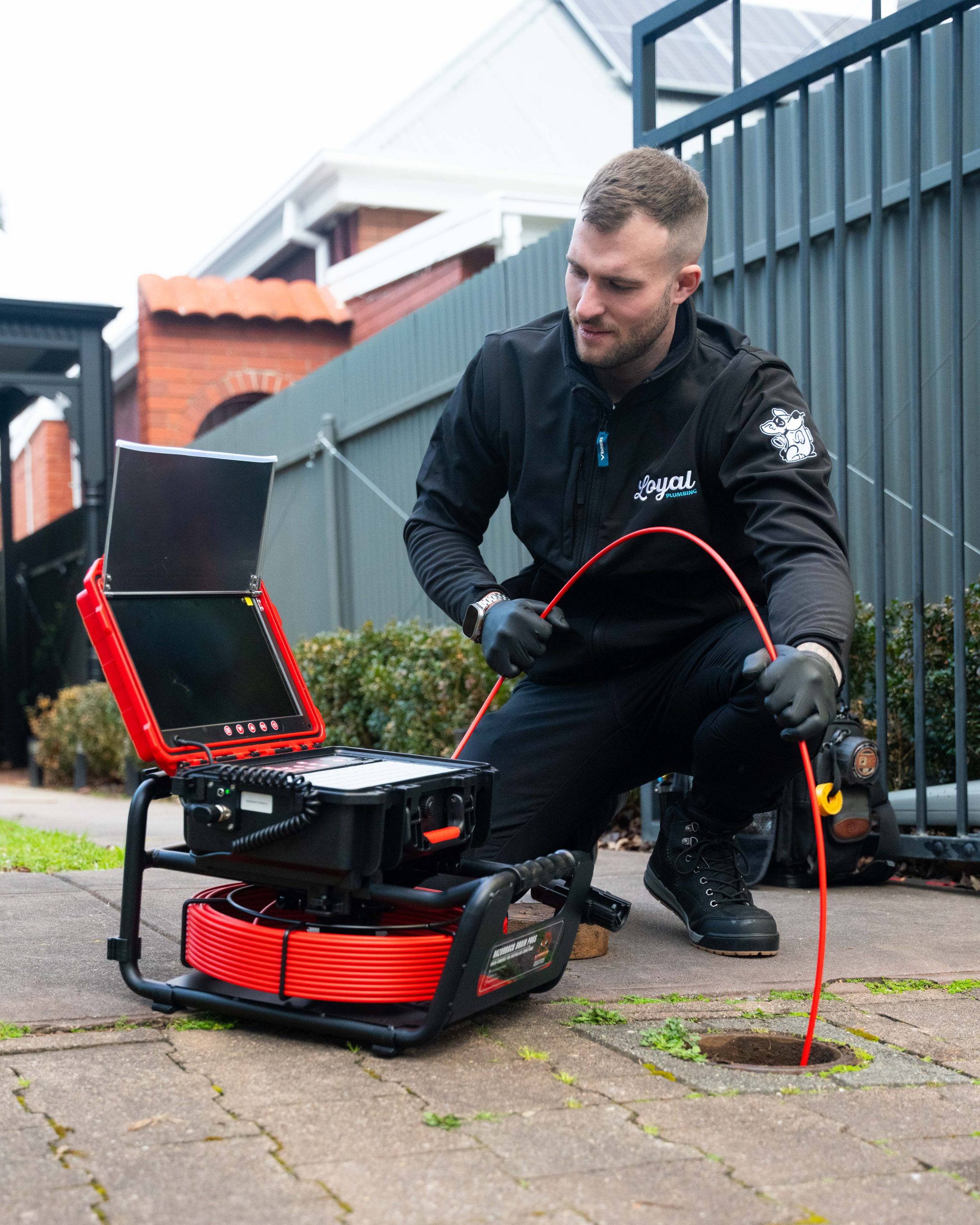
A plumber may use drain cleaning equipment, CCTV inspection technology or other diagnostic methods to locate the obstruction and determine the appropriate repair.
4. Your toilet is overflowing and will not stop
An overflowing toilet can quickly become an urgent issue when the water continues rising or wastewater is involved.
If the toilet begins overflowing, stop flushing it. Depending on the toilet design, you may be able to turn off the water supply using the isolation valve near the base of the toilet.
If the toilet continues to overflow despite shutting off the supply, or if wastewater is involved, professional assistance may be appropriate.
A simple blockage may sometimes be resolved during a routine service. A toilet that repeatedly overflows, backs up into other fixtures or appears connected to a larger drainage problem may need further investigation.
5. You have a major hidden leak
Not all serious plumbing leaks are immediately visible.
A hidden leak may occur inside a wall, beneath flooring or underground. Warning signs can include unexplained water pooling, damp patches, mould, water stains, unusual sounds or a sudden change in water pressure.
An unexplained increase in water usage can also be a clue that water is escaping somewhere within the plumbing system.
If you suspect a significant concealed leak, particularly when water damage is already visible, prompt assessment can help identify the source.
Professional leak detection equipment may assist with locating hidden plumbing faults without immediately resorting to extensive destructive investigation.
6. You suddenly have no water
A complete loss of water throughout the property can be extremely disruptive.
Before assuming the plumbing system has failed, check whether the issue affects your neighbours or the broader street. A local water supply interruption may have nothing to do with your home’s plumbing.
If neighbouring properties have normal water pressure and your property has suddenly lost its supply, there may be an issue within your plumbing system.
Check that the main isolation valve has not been accidentally turned off and look for obvious signs of leaks or damage. If the problem remains unexplained, a plumber can investigate the property’s water supply and internal pipework.
7. Your hot water system is leaking heavily
A leaking hot water system can range from a minor issue to a situation requiring urgent attention.
Water pooling around the unit, a sudden loss of hot water or a substantial leak should not be ignored. Hot water systems contain pressurised water and may involve gas or electrical components, depending on the system installed at the property.
Avoid dismantling or attempting to repair the system yourself.
If you notice a significant leak, follow the manufacturer’s safety instructions where appropriate and contact a qualified professional. A plumber can assess the system and determine whether the problem involves a valve, connection, tank or another component.
The urgency can depend on the amount of water escaping and the type of system installed.
8. You suspect a gas plumbing problem
Gas-related plumbing problems require particular caution.
If you smell gas inside your property, do not attempt to locate the source yourself. Avoid using electrical switches or anything that could create a spark, and move away from the area if you can do so safely.
Gas plumbing should only be assessed and repaired by an appropriately licensed professional.
A gas smell should not be treated like an ordinary plumbing leak. Follow the relevant safety guidance and seek urgent assistance from the appropriate emergency service or licensed gas professional.
Emergency plumbing problems versus routine repairs
Understanding what can wait can help homeowners use emergency services appropriately.
Problems that may generally suit a standard plumbing appointment include:
- A slowly dripping tap
- A minor toilet leak
- A shower head that needs replacing
- Low water pressure that has developed gradually
- A small leak that is fully contained
Problems that may require urgent assessment include:
- A burst mains water pipe
- Uncontrolled flooding
- Sewer wastewater entering the property
- A major concealed leak
- An overflowing toilet involving sewage
- A significant hot water system leak
- A serious gas plumbing concern
The severity and circumstances always matter. A minor issue can become more serious if it is ignored, while some apparent emergencies may have a simpler explanation.
What should you do before the plumber arrives?
Taking a few sensible steps can help contain the problem while professional assistance is arranged.
First, isolate the relevant water supply if you can do so safely. For a whole property leak, this may involve the main water isolation valve. Individual fixtures may have their own isolation valves.
Next, keep people away from contaminated water or unsafe areas. Move belongings away from standing water where practical, provided you can do so without putting yourself at risk.
It can also help to note what happened immediately before the problem appeared. For example, record whether the issue started after using a fixture, whether water pressure changed suddenly, or whether multiple drains began backing up.
Clear information can help the plumber understand the situation before arriving.
How to choose an emergency plumber in Adelaide
When you need urgent assistance, it is tempting to call the first number you find. Take a moment to check that the plumbing company is appropriately licensed and experienced with emergency work.
Consider whether the plumber:
- Provides emergency plumbing services
- Has experience with the type of problem you are experiencing
- Explains callout charges clearly
- Can provide an estimated arrival timeframe
- Uses appropriate diagnostic and repair equipment
- Communicates clearly about the proposed work
Clear pricing is particularly useful during stressful situations. Ask what the emergency callout covers and whether additional labour, equipment or materials may attract separate charges.
Get urgent plumbing problems under control
A genuine plumbing emergency can involve uncontrolled water, sewage, major leaks, loss of essential services or other faults that may cause damage if left unattended.
The safest approach is to assess the immediate risk, isolate the water supply where appropriate and arrange professional assistance when the problem requires urgent attention.
Not every plumbing issue needs an emergency callout. Understanding the difference can help you respond appropriately without treating every dripping tap as a five-alarm disaster.
If you are dealing with a plumbing emergency or need reliable plumbing services in Adelaide, contact Loyal Plumbing to discuss the problem and arrange professional assistance for your property.